Project Scope
Solarization of 23 data centers with integrated monitoring and energy performance management
Client
MTN South Africa
Year
2026
Region
Southern Africa
The Challenge
Reducing Data Center Carbon Footprint at Scale
As part of its Project Zero commitment, MTN South Africa sought to reduce the carbon footprint of its data center operations while strengthening energy resilience across critical telecom infrastructure. Data centers require continuous, high-quality power, making them among the largest energy consumers within the network. The challenge was to integrate renewable energy at scale without compromising operational reliability, while creating measurable ESG impact and reducing long-term dependence on conventional grid electricity.
The Solution
A Nationwide Solarization Strategy for Sustainable Data Centers
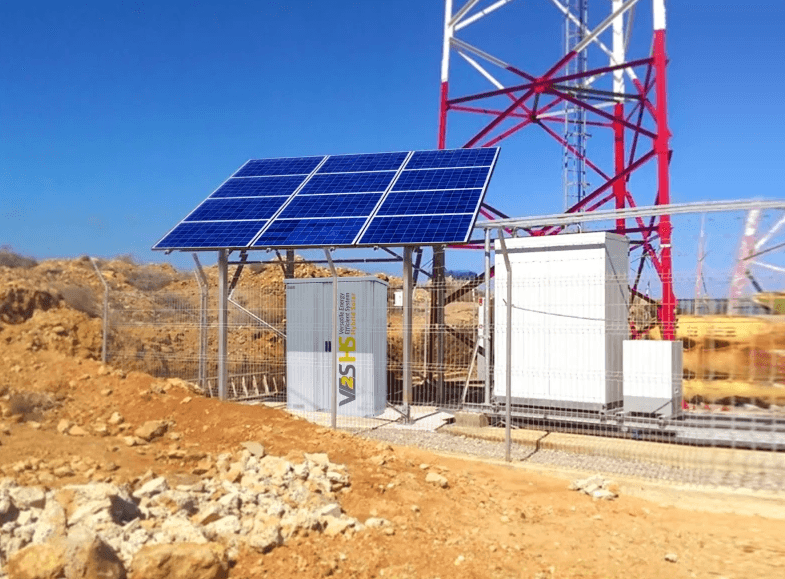
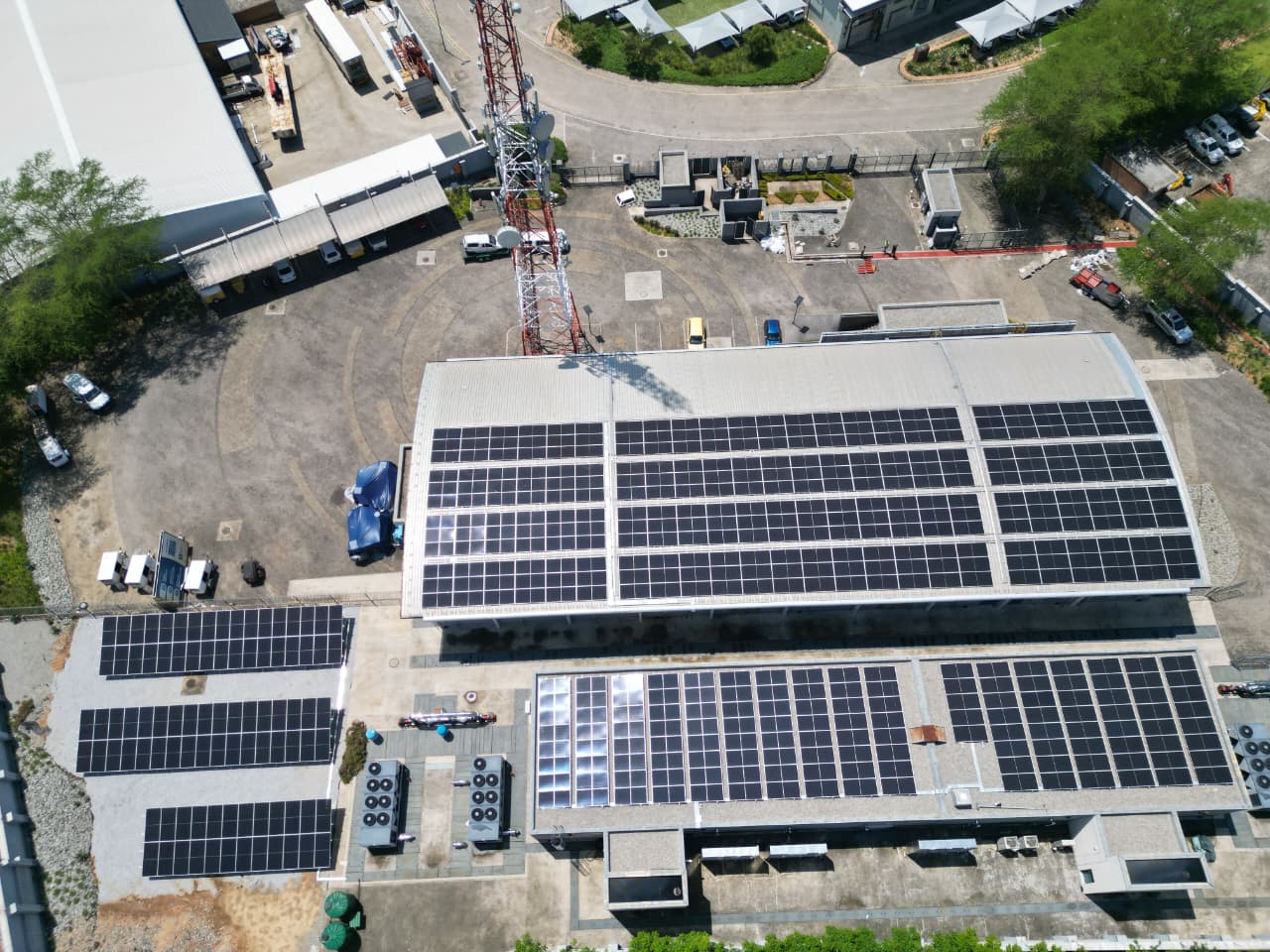
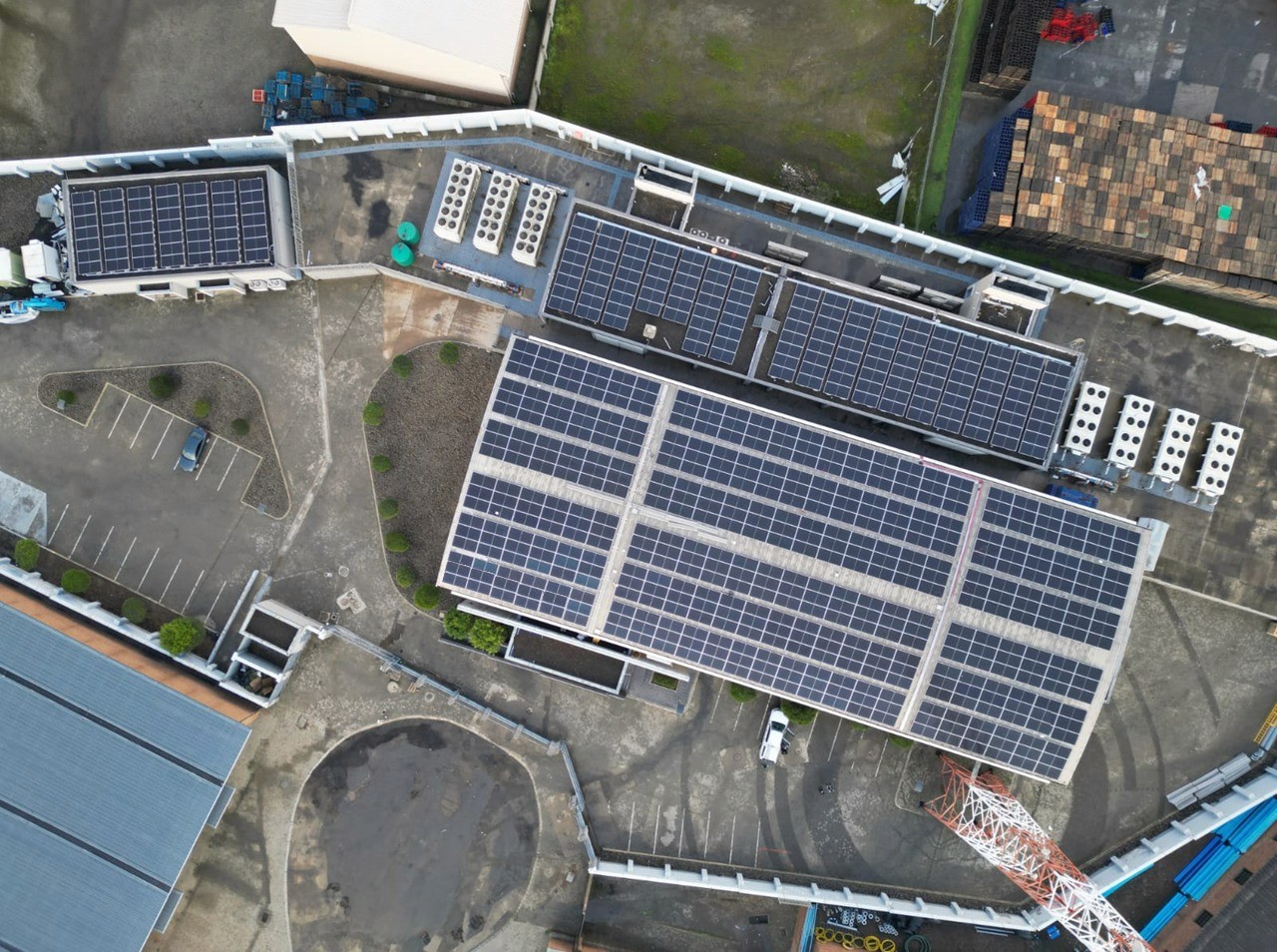
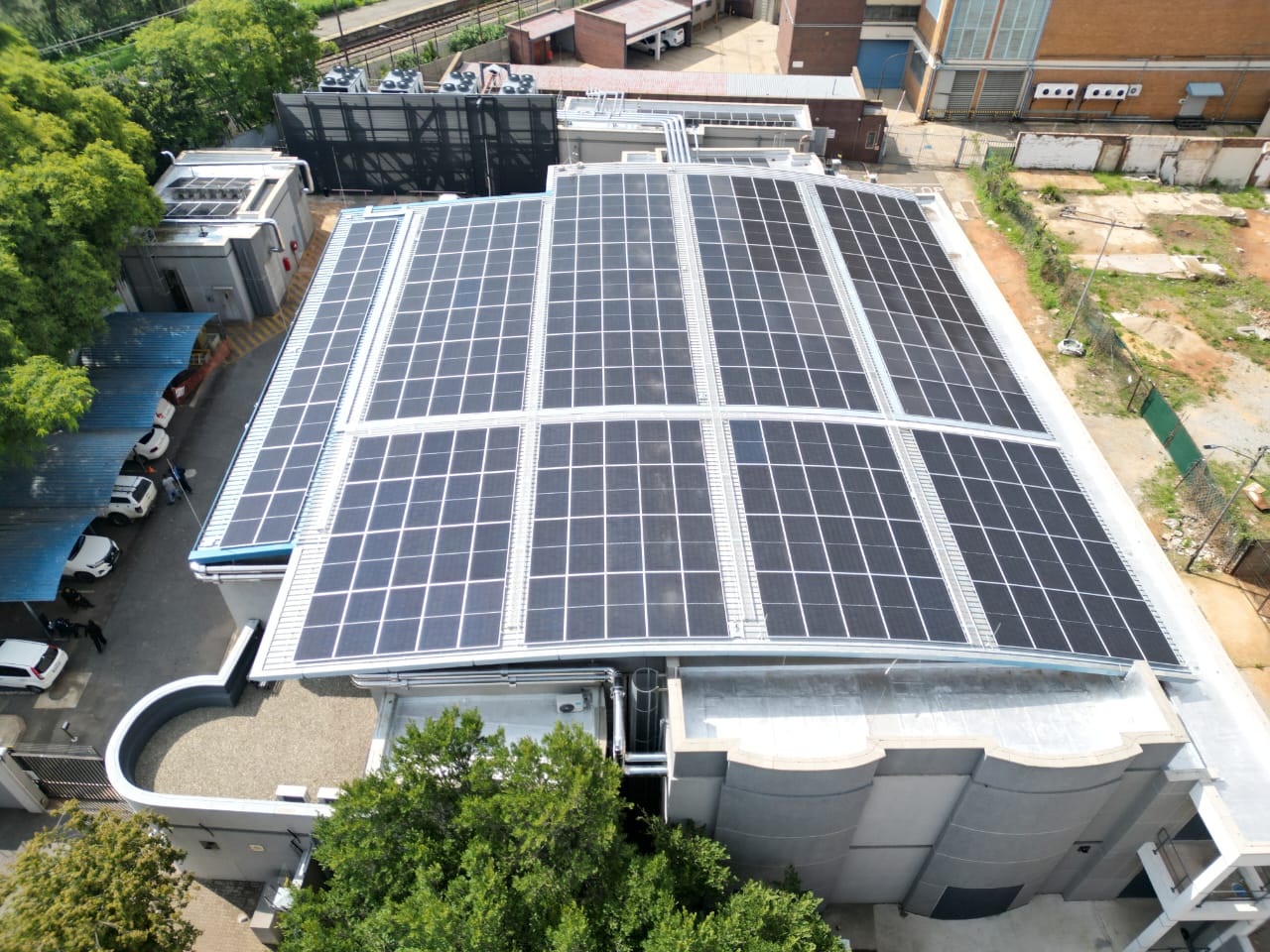
IPT PowerTech is delivering a large-scale solarization program designed to support MTN South Africa's ESG objectives and long-term sustainability roadmap. The initiative targets 23 data centers across the country, with a planned 7.5 MW of installed solar capacity. During the first phase, 7 sites were successfully deployed in 2025, representing 2.5 MW of solar capacity already operational. The solution combines high-performance photovoltaic generation with intelligent energy management and Remote Monitoring System (RMS) integration, providing real-time visibility into energy production, site performance, and operational efficiency. By leveraging a distributed renewable energy architecture, IPT PowerTech enables MTN South Africa to optimize energy consumption, improve infrastructure resilience, and support business continuity while advancing its transition toward lower-carbon operations.


Results
Measurable ESG Impact Through Renewable Energy
The solarization initiative is expected to generate approximately 2,000 MWh of clean energy, significantly reducing reliance on conventional electricity sources across MTN South Africa's data center portfolio. Each site is projected to reduce annual grid consumption by approximately 500 MWh, contributing to substantial reductions in carbon emissions and operating costs. Beyond environmental benefits, the project enhances energy security, improves infrastructure resilience, and provides actionable operational insights through advanced monitoring capabilities. The initiative demonstrates how renewable energy can deliver measurable ESG outcomes while supporting the long-term sustainability of telecom infrastructure.